

See What Fascia And Soffit Experts Tricks The Celebs Are Using
페이지 정보
작성자 Numbers 작성일25-12-22 06:23 조회1회 댓글0건관련링크
본문
Understanding Fascia and Soffit: The Experts' Guide
In the world of home improvement and building, fascia and soffit play vital roles that are typically neglected. These elements not just improve the looks of a structure but also contribute considerably to its structural integrity and energy performance. This article aims to dive into what Fascia Replacement and soffit are, their value, typical materials used, installation methods, maintenance pointers, and where to discover expert services.
What Are Fascia and Soffit?
Fascia
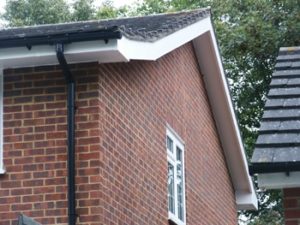
Fascia describes the horizontal board that runs along the edge of the roofline. Acting as a barrier between the roofing and the elements, fascia is an essential part of a building's outside. It usually supports the lower edge of the roof and works as a platform for the roof tiles or shingles.
Soffit
Soffit, on the other hand, is the product that bridges the gap in between the top of the exterior walls and the bottom of the eaves. The purpose of the soffit is to offer ventilation and avoid wetness from accumulating in the attic, which can lead to rot or other structural problems.
Value of Fascia and Soffit
The combined significance of fascia and soffit in home construction can not be overstated. Let's have a look at a few of the advantages they offer:
| Benefit | Description |
|---|---|
| Protection | Both fascia and soffit protect the wooden structures of a home from weather condition damage. |
| Aesthetic Appeal | They improve the general appearance of a building by producing a finished edge to the roofline. |
| Ventilation | Soffits enable ventilation, reducing moisture build-up in attics and avoiding mold development. |
| Bug Control | Appropriately installed fascia and soffit can discourage insects from going into the attic area. |
| Energy Efficiency | Reliable ventilation can result in reduced energy expenses by balancing indoor temperatures. |
Typical Materials Used for Fascia and Soffit
Fascia Materials
- Wood: Traditional and aesthetic but requires routine maintenance to avoid rot.
- Vinyl: Durable, low maintenance, and offered in different colors.
- Aluminum: Resistant to weather damage and does not require painting.
- Composite: Made up of wood and plastic, offering durability and aesthetic range.
Soffit Materials
- Vinyl: Commonly used for its sturdiness and simple installation.
- Aluminum: Low maintenance and resistant to rust and peeling.
- Wood: Offers a natural look however requires regular treatment against moisture and insects.
- Fiber Cement: Durable and resistant to rot, but can be much heavier than other materials.
Installation Techniques
Setting up fascia and soffit requires precision and understanding of local building codes. Below are some basic steps associated with the installation process:
Fascia Installation
- Measurement: Measure the length of the area where the Best Fascia Replacement will be installed, taking care to represent angles and eave overhangs.
- Cutting: Cut the fascia board to size using a miter saw for angled cuts.
- Securing: Nail or screw the fascia to the ends of the roof trusses or rafters, ensuring it sits level.
- Sealing: Seal the edges with caulk to prevent moisture infiltration.
Soffit Installation
- Preparation: Clear the area and measure for the Soffit And Cladding length.
- Cutting Panels: Cut soffit panels to fit the area, leaving essential allowances for ventilation.
- Setting up: Attach the soffit panels between the fascia and wall using screws or clips.
- Vent Installation: If using ventilated soffits, location vented panels at appropriate places.
Maintenance Tips
To ensure durability and functionality, routine maintenance of fascia and soffit is vital. Here are some tips:
- Inspections: Check for indications of water damage, mold, or rot at least when a year.
- Cleaning: Use a pipe to clean away dirt, debris, and residues that can collect.
- Painting: If using wood, consider repainting every 3-5 years to avoid peeling and moisture seepage.
- Vent Checks: Ensure that soffit vents are not blocked to maintain appropriate air flow.
Regularly Asked Questions (FAQ)
Q1: How typically should fascia and soffit be examined?
A1: It is a good idea to examine fascia and soffit at least once a year, especially before and after winter weather condition.
Q2: Can I install fascia and soffit myself?
A2: Yes, it is possible for proficient DIYers to set up Fascia And Soffit Upgrades and soffit, but working with experts guarantees proper installation and compliance with local building codes.
Q3: What are the signs that fascia or soffit needs replacement?
A3: Look for drooping, staining, peeling paint, or signs of water entry. These are indicators that the materials might require replacement.
Q4: Are vinyl fascia and soffit worth the investment?
A4: Yes, vinyl options are normally low-maintenance and resistant to weather damage, making them a rewarding financial investment in the long term.
Q5: How can I increase ventilation in my soffit?
A5: Use vented soffit panels to improve air flow and think about adding extra vents if required.
Finding Experts
When looking for fascia and soffit experts, it's important to select professionals with market experience. Here are a couple of tips for choice:
- Check credentials: Look for licensed and insured contractors.
- Read evaluations: Customer feedback can supply insights into the quality of work.
- Demand prices quote: Get in-depth quotes from several professionals to compare pricing.
- Ask about warranty: Make sure there is a warranty on both products and craftsmanship.
In conclusion, fascia and soffit are basic components of any robust architectural style and merit attention throughout the construction, renovation, or maintenance phases. Comprehending their functions, products, installation procedures, and maintenance can cause enhanced performance and aesthetics in homes. For a professional approach, always think about engaging with seasoned experts who can ensure that these structures are correctly installed and maintained.
댓글목록
등록된 댓글이 없습니다.